
Carbon Capture and Sequestration: Future-Focused Ethanol Production
Mid America Agri Products Wheatland (MAAPW) is paving the way for a more sustainable future through innovation in Carbon Capture and Sequestration (CCS).
CCS is a widely recognized, long-term solution for reducing carbon emissions. By significantly lowering carbon intensity, CCS paves the way for more sustainable bio-fuel production. MAAPW is advancing its commitment to innovation in the bio-fuels industry. By the end of 2025, MAAPW will join an elite group—less than 10% of U.S. ethanol plants—equipped for carbon sequestration.
How Does CCS Actually Work?
CCS refers to technologies that capture carbon dioxide (CO2) and store it underground to prevent it from contributing to climate change. CCS includes capturing CO2 directly from large emission sources, known as point-source capture, as well as removing existing CO2 from the atmosphere.
According to the Global CCS Institute, there are three steps in the CCS process:
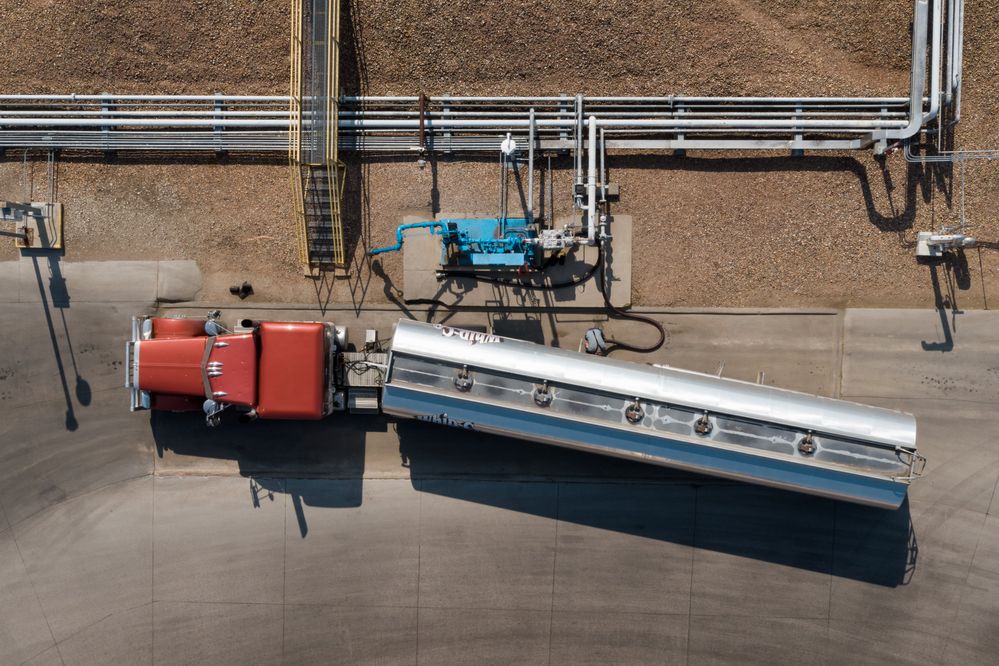
- Capture: The first step is to capture the CO2 for storage. The CO2 is separated from other gases produced in industrial processes, such as those at ethanol production facilities.
- Transport: The CO2 is then compressed and transported via pipelines, like the Trailblazer CO2 Pipeline.
- Storage: Finally, the CO2 is injected into rock formations deep underground for permanent storage.
This process significantly reduces greenhouse gas emissions while bolstering the environmental benefits of ethanol fuel.
How MAAPW is Leading the Charge in CCS Technology & the Trailblazer CO2 Pipeline
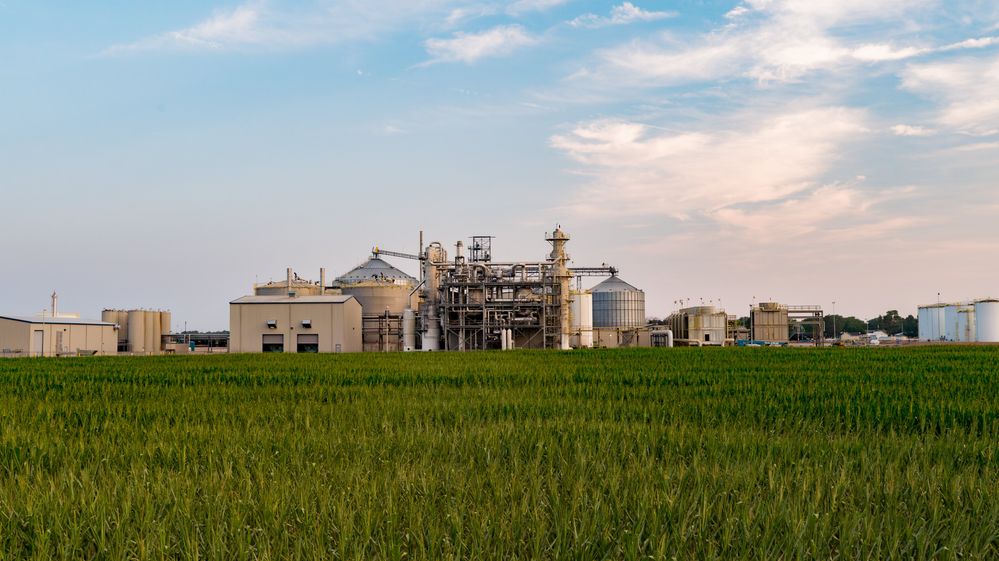
In 2022, MAAPW took a major step toward sustainable ethanol production by introducing CCS technology. By the end of 2025, we will be among fewer than 10% of ethanol plants nationwide utilizing CCS, significantly cutting carbon emissions and setting new industry standards.
We are excited about the future of ethanol and carbon sequestration in Nebraska, especially with the advancements of the Trailblazer CO2 Pipeline. This project will play a key role in transforming ethanol production in the state.
- The Trailblazer CO2 Pipeline is a 392-mile project by Tallgrass that is converting a former natural gas pipeline into a dedicated carbon dioxide (CO2) pipeline.
- This $1.5 billion initiative will transport CO2 from ethanol plants in Nebraska to underground sequestration sites in Wyoming.
- The pipeline is a crucial step toward decarbonizing ethanol production in Nebraska, helping ethanol facilities reduce carbon emissions and enhance the long-term sustainability of biofuels.
learn more about our Carbon Capture and Sequestration Efforts
|
140,000 METRIC TONS
OF BIOGENTIC CO2 PRODUCED ANNUALLY |
REDUCED EMISSIONS
ENHANCING SUSTAINABILITY |
SUPPORTING LOCAL AGRICULTURE
AND ENERGY NEEDS |
LEADING INNOVATION
IN CARBON CAPTURE |
Commitment to a Greener Future
At MAAPW, we are committed to revolutionizing ethanol production through CCS. Our goal is to create a cleaner, more sustainable future for generations to come.
-
Innovative Carbon Capture & Sequestration (CCS): MAAPW is leading the way in sustainable ethanol production by implementing CCS technology, significantly reducing carbon emissions and positioning itself among the top 10% of U.S. ethanol plants utilizing this advanced solution.
-
Investment in Long-Term Decarbonization: Through partnerships like the Trailblazer CO2 Pipeline project, MAAPW is committed to cutting its carbon footprint and supporting broader efforts to create a cleaner, more sustainable future for Nebraska and beyond.
-
Sustainable Sourcing & Operations: By working closely with local farmers, co-ops, and grain merchandisers, MAAPW not only strengthens the regional economy but also ensures a responsible and eco-friendly supply chain that prioritizes efficiency and sustainability.
Get Directions Call MAAPW Get In Touch
MID AMERICA AGRI PRODUCTS/WHEATLAND
North Platte | Western Nebraska | Nebraska | Carbon Capture and Sequestration | Trailblazer CO2 Pipeline