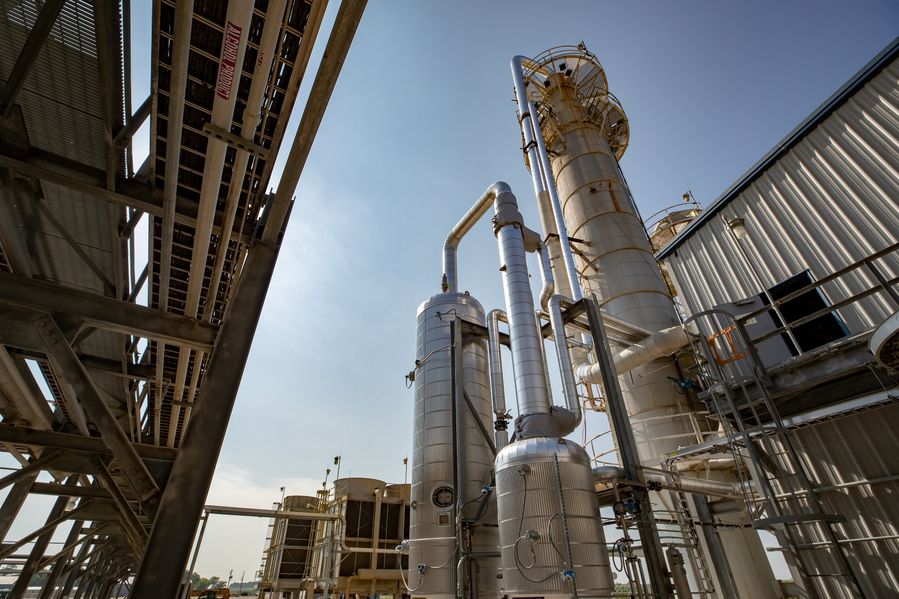

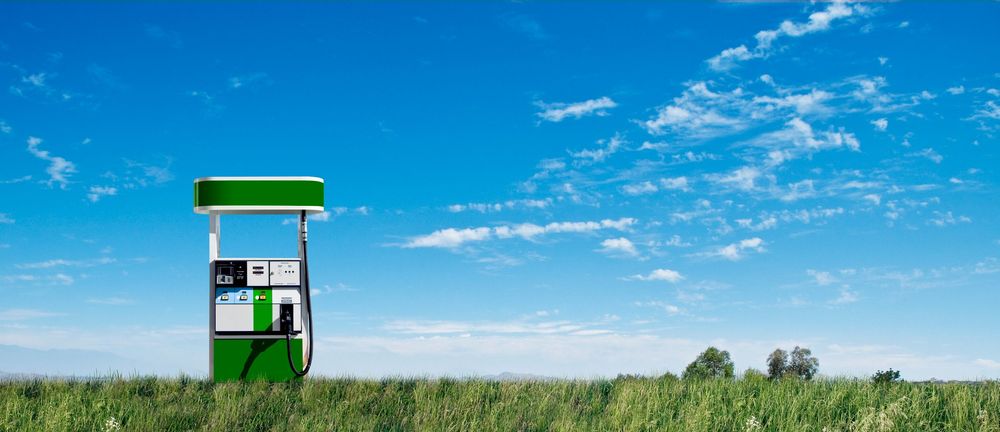
Ethanol is a renewable fuel that burns cleaner than gasoline and is also considerably less expensive than gas. Ethanol reduces greenhouse gas emissions, lowers prices for consumers at the pump, and increases our nation’s energy independence. All while creating American jobs. When blended into gasoline ethanol creates a superior higher-octane fuel and 98 percent of gasoline sold in the U.S. includes 10 percent ethanol.
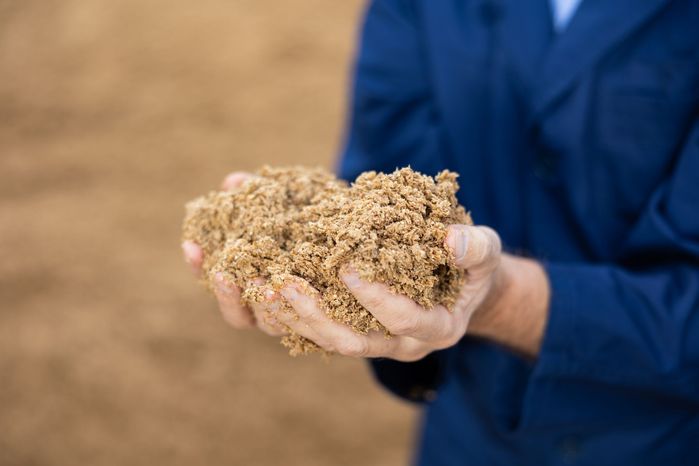
Wet Distillers grains is a major coproduct of the ethanol production process that is used as high value feed in beef cattle rations. WDGS contains approximately 68% moisture and is packed with a concentration of protein, fat, fiber, vitamins and minerals. These concentrated nutrients along with a high level of digestibility in ruminants are the characteristics that give WDGS a higher feed value over corn.
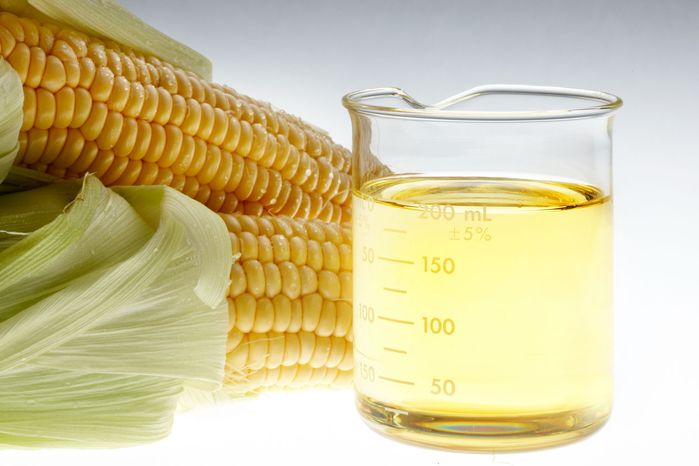
Distillers Corn Oil is extracted from thin stillage during the production process of corn-based ethanol. DCO is a high quality animal feed ingredient due to its favorable blend of essential fatty acids. In addition to animal feed, DCO can also be used as feedstock in the production of renewable biodiesel.
Carbon capture and sequestration (CCS) is broadly recognized as a far reaching, long-term solution for decarbonization. Carbon capture substantially lowers carbon intensity, which makes it a sustainable solution for the next generation of bio-fuel products. On October 3, 2025, Mid America Agri Products/Wheatland, announced the start of carbon dioxide capture at its Madrid, Nebraska, ethanol facility, with volumes to be transported on Tallgrass’ Trailblazer Pipeline for permanent sequestration in Wyoming, making them one of fewer than 10% of the country's ethanol plants positioned to sequester carbon.